
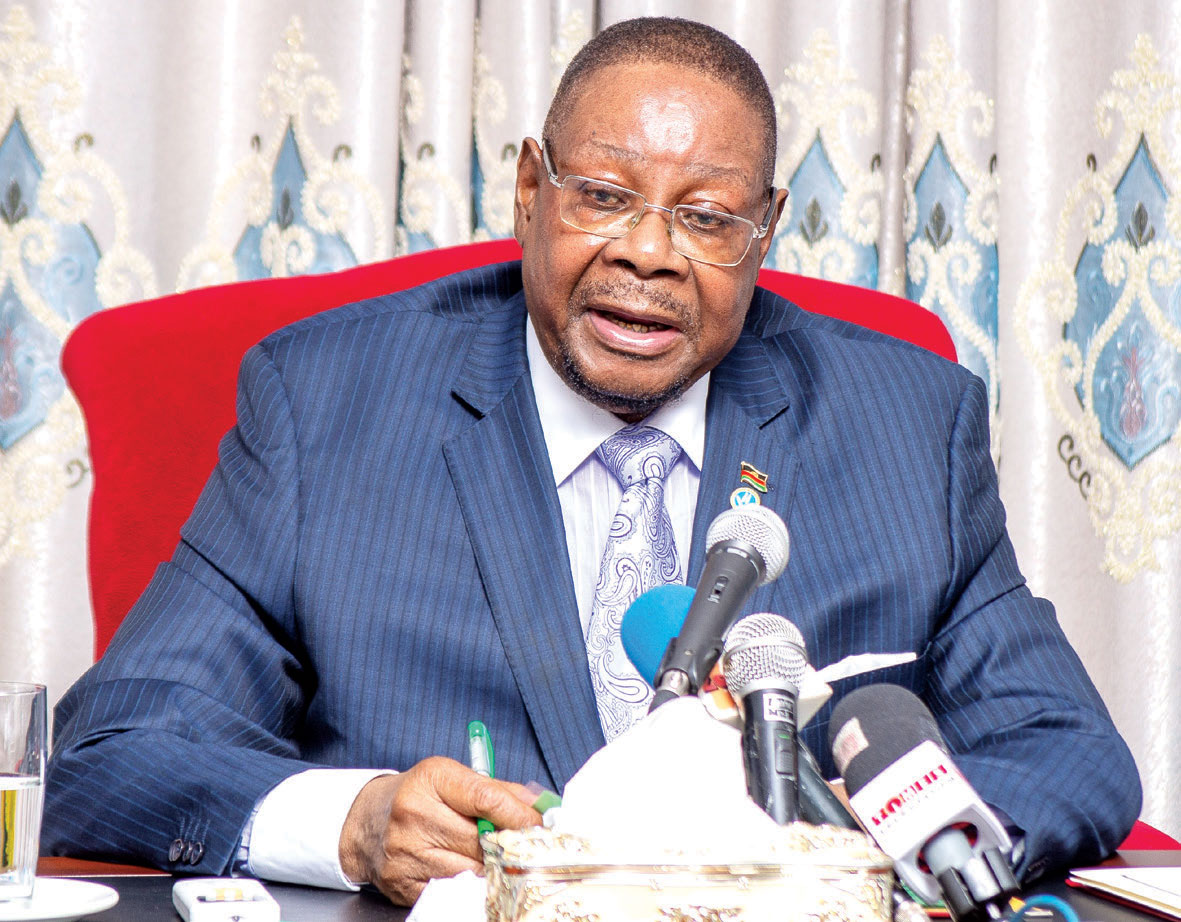


Lilongwe, MALAWI – President Arthur Peter Mutharika’s administration has scored 3.75 out of six in its first-year performance assessment, with improvements in food availability, education and local development offset by persistent challenges in the cost of living, foreign exchange shortages, energy supply and healthcare.
The assessment, conducted by the Catholic Commission for Justice and Peace (CCJP), covers the period from October 4, 2025, to October 4, 2026.
In its report, the commission describes the administration’s first-year record as a good start towards stabilising the country and delivering visible gains, while warning that many Malawians continue to face economic hardship and gaps in public service delivery.
The report gives the government an overall rating of 3.75 out of six, classified as “Good”. However, its public-salience-weighted composite score stands at 2.4 out of six, reflecting the continued impact of major economic and social challenges on households.
Education and local development among top performers
Education and local development and decentralisation emerged as some of the strongest areas of performance, each receiving a rating of five out of six under the sector-specific assessment.
The report identifies the introduction of free primary and secondary education from January 2026 as one of the administration’s major policy achievements.
According to the assessment, the 2026/27 national budget allocated K47.6 billion to support the policy, including K31.7 billion for secondary school development fees and K15.9 billion for primary school general-purpose fees.
A further K11.3 billion was allocated for national examinations and student identity cards, while K11 billion was earmarked for teaching and learning materials.
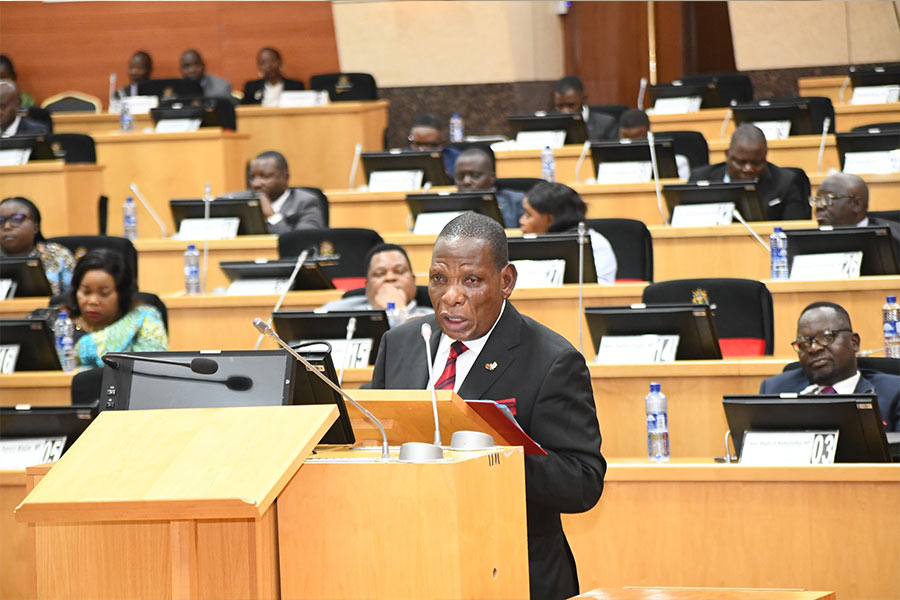
Minister of Finance Joseph Mwanamvekha presents the national budget in Parliament, outlining the government’s fiscal priorities and plans for the country’s economic development.
However, the commission cautions that the policy’s success will depend on timely release of government funding, adequate resources at school level, sufficient classrooms, teachers and learning materials.
On local development, the report highlights expanded performance-based financing for district and municipal councils, supported by World Bank funding under the Governance to Enable Service Delivery programme.
It says the reforms could strengthen community service delivery but stresses that approved funding and institutional expansion should not be confused with completed projects or demonstrated benefits to citizens.
Food availability improves, but hunger risks remain
Food security and maize availability received a rating of five out of six in the detailed sector assessment, reflecting improved harvests and relatively lower maize prices compared with the previous year.
The report says favourable rainfall during the 2025/26 agricultural season supported an average to above-average harvest.
It cites maize prices monitored by the Famine Early Warning Systems Network (FEWS NET), which averaged approximately K742 per kilogramme in June 2026 and K755 in July 2026.
The assessment also notes that the Agricultural Development and Marketing Corporation resumed maize purchases at K900 per kilogramme to support producer incentives.
Government reportedly allocated about K60 billion to procure 65,000 metric tonnes of maize and earmarked an additional K100 billion to replenish the Strategic Grain Reserve.
Despite the improvements, the commission warns that food insecurity remains uneven across the country, with vulnerable households in parts of southern Malawi potentially facing renewed crisis-level food insecurity from October 2026 into early 2027.
It also cautions that improved food availability cannot be attributed to government policy alone, as favourable rainfall and the agricultural cycle contributed significantly to the outcome.
Cost of living and forex shortages remain major concerns
The assessment identifies inflation and the cost of living as major weaknesses in the administration’s first year, giving the sector a rating of three out of six in the detailed assessment.
It says headline inflation averaged approximately 28.4 percent in 2025 before declining to 24.9 percent in January 2026 and about 23.4 percent by May.
However, the report argues that the slowdown in inflation has not translated into a comparable improvement in household incomes and purchasing power.
High fuel and electricity costs continue to put pressure on households and businesses, while foreign exchange shortages remain a major constraint on economic activity.
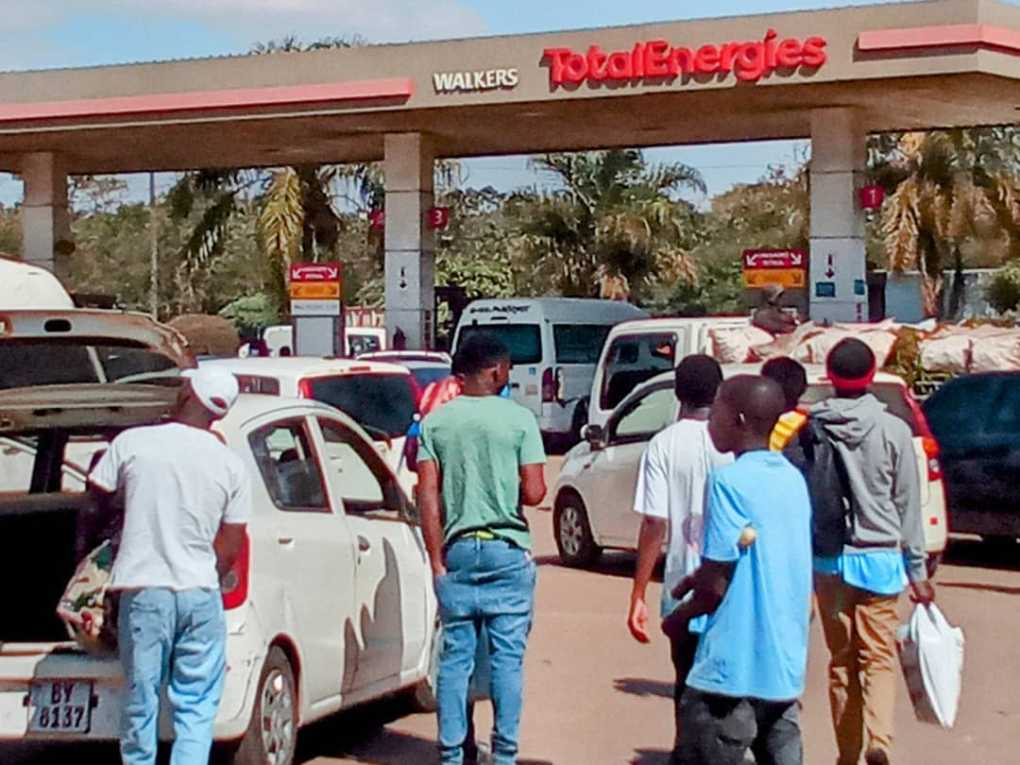
Foreign exchange received a rating of two out of six, with the commission noting that limited access to forex continues to affect the importation of fuel, medicines, industrial inputs and equipment required to maintain energy infrastructure.
Although the report acknowledges improvements in headline foreign-reserve indicators during parts of 2026 and the Reserve Bank of Malawi’s initiation of gold exports as a potential source of foreign exchange earnings, it says availability to businesses and households remains significantly constrained.
The assessment warns that these challenges continue to undermine production, investment and export competitiveness.
Health, energy and corruption face persistent challenges
Healthcare and pharmaceuticals, energy, and anti-corruption efforts each received ratings of two out of six in the sector assessment.
On health, the report acknowledges budgetary allocations for medicines and hospital operations but says drug availability remains uneven due to foreign exchange shortages, procurement delays and broader fiscal constraints.
It also points to dilapidated hospital infrastructure as a continuing concern.
In the energy sector, the commission says unreliable electricity supply remains a major obstacle to economic recovery. It recommends accelerating repairs at Kapichira and Nkula power stations, procuring critical spare parts and expanding solar generation and reliable backup capacity.
The report also raises concerns about corruption cases and unresolved questions surrounding anti-corruption leadership.
It calls for credible substantive leadership at the Anti-Corruption Bureau (ACB), alongside stronger institutional independence, enforcement capacity and public accountability.
Government urged to turn stabilisation into tangible gains
The commission says the administration’s second year should focus on translating early progress into lasting improvements in jobs, incomes, essential services and household welfare.
Among its recommendations are reforms to improve access to foreign exchange, strengthen foreign reserves, restore and diversify energy supply, protect food security gains and ensure timely funding for free education.
It also calls for greater investment in employment-generating sectors, including mining, agro-processing, tourism, manufacturing, digital services and export diversification.
On local development, the report urges government to ensure that financing allocated to councils results in completed community projects, reliable services and measurable benefits for residents.
The commission further recommends clear delivery targets and regular public reporting to enable citizens to assess whether government policies are producing meaningful improvements.
The CCJP has also described the first-year record as positive but incomplete, arguing that the next phase must focus on consolidating gains and addressing the structural weaknesses that continue to affect economic recovery and public confidence.