
Malawi is using the Fourth African Disability Collaboration (ADC) Summit to drive a shift from reacting to disability challenges to identifying and addressing them early, a move government and partners believe could transform the lives of nearly two million people living with disabilities.
The three-day summit, which opened on Monday in Lilongwe, has brought together disability experts, policymakers, health professionals and civil society organisations from across Africa to share practical solutions for disability-inclusive development.
Rather than focusing solely on policy discussions, the summit combines conference sessions with learning visits and hands-on community outreach, allowing delegates to exchange expertise while delivering services directly to families.
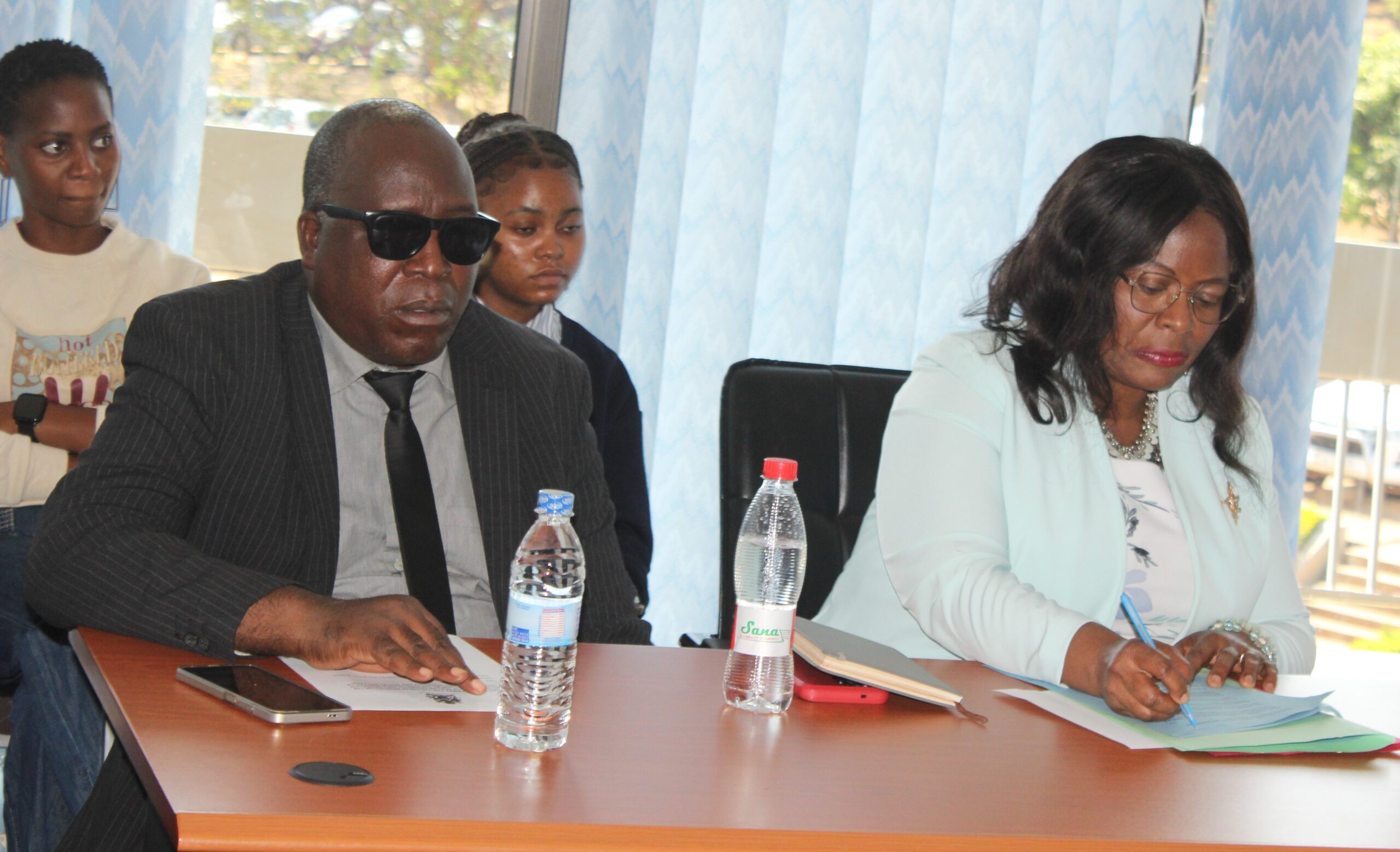
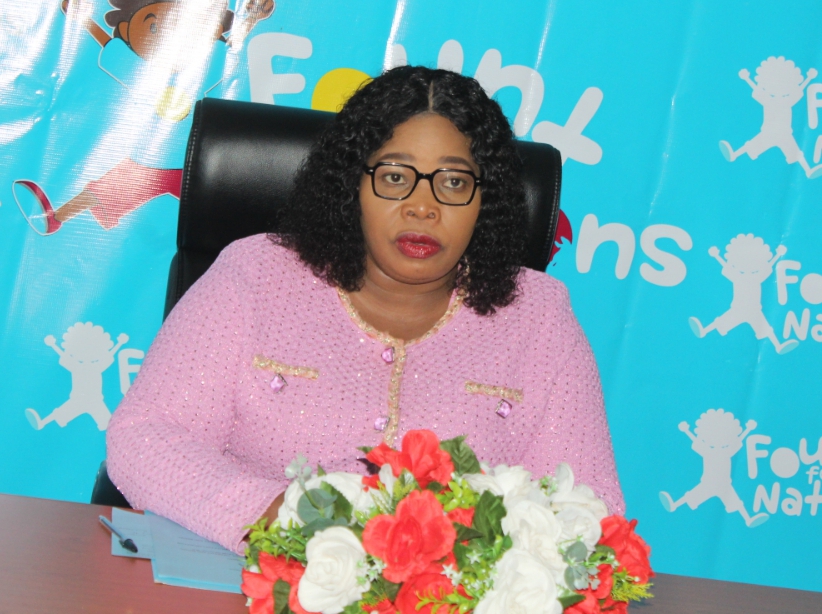
Speaking during the opening of the summit, Minister of Gender, Children, Disability and Social Welfare Mary Navicha said Malawi is hosting the summit at a time when the country is seeking practical partnerships to strengthen disability services.
“Almost two million people with disabilities are facing a lot of challenges, and this summit gives us an opportunity to learn from experts across Africa and share experiences on what works,” Navicha said.
She acknowledged that disability services remain constrained by limited resources, noting that although the ministry requested K5 billion for the Disability Trust Fund, only K2 billion was allocated in the national budget.
The funding gap, she said, has reinforced the need for stronger collaboration between government, development partners and civil society organisations.
A key focus of this year’s summit is early identification of developmental delays and disabilities, an approach experts say can significantly improve children’s health, education and long-term independence.
According to Fount For Nations Co-founder and Executive Director Patience Mkandawire, Malawi has traditionally identified many children with developmental disabilities only after they have entered school, by which time opportunities for early intervention have often been lost.
“We identify children, but mostly we identify them late. Many are only recognised when they are already in school, meaning we have missed a critical window for intervention,” Mkandawire said.
To address that gap, Fount For Nations has partnered with the Ministries of Health, Gender and Education to integrate developmental monitoring into public health services.
The initiative has already screened nearly 15,000 children, helping families identify developmental concerns earlier and access appropriate support.
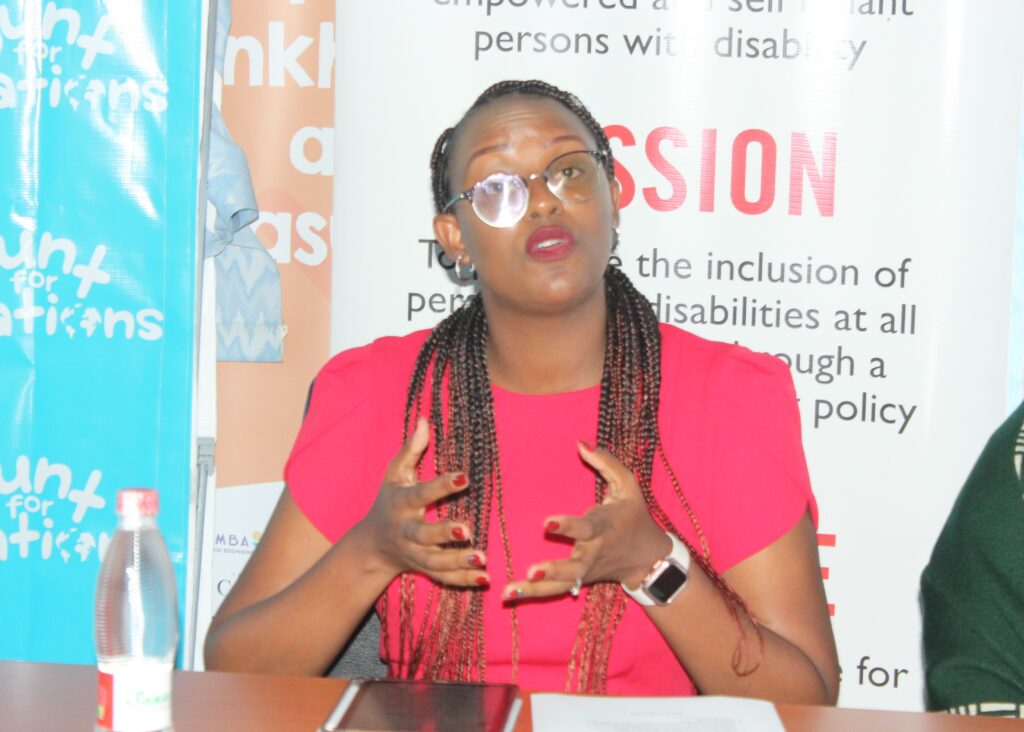
Mkandawire said Malawi’s experience is now being shared with delegates from across Africa, while local practitioners are also learning from successful interventions implemented in other countries.
“We want this summit to go beyond discussions. Success for us means stronger partnerships, shared best practices and commitments that lead to measurable action over the next 12 months,” she said.
Unlike traditional conferences, the ADC Summit will conclude with community outreach activities that will provide therapy and rehabilitation services to approximately 500 persons with disabilities, allowing participants to apply knowledge gained during the conference in real-life settings.
The closing ceremony will also feature the unveiling of a symbolic Wall of Commitment by Minister Navicha, where governments, organisations and development partners will publicly commit to specific actions they intend to implement before the next summit.
Organisers say the initiative is designed to improve accountability by ensuring that commitments made during the conference translate into measurable progress for persons with disabilities across Africa.