
A health expert has warned that poor sanitation at Blantyre Market could lead to the spread of diseases such as Cholera, Typhoid, Dysentery and Diarrhoea if urgent measures are not taken.
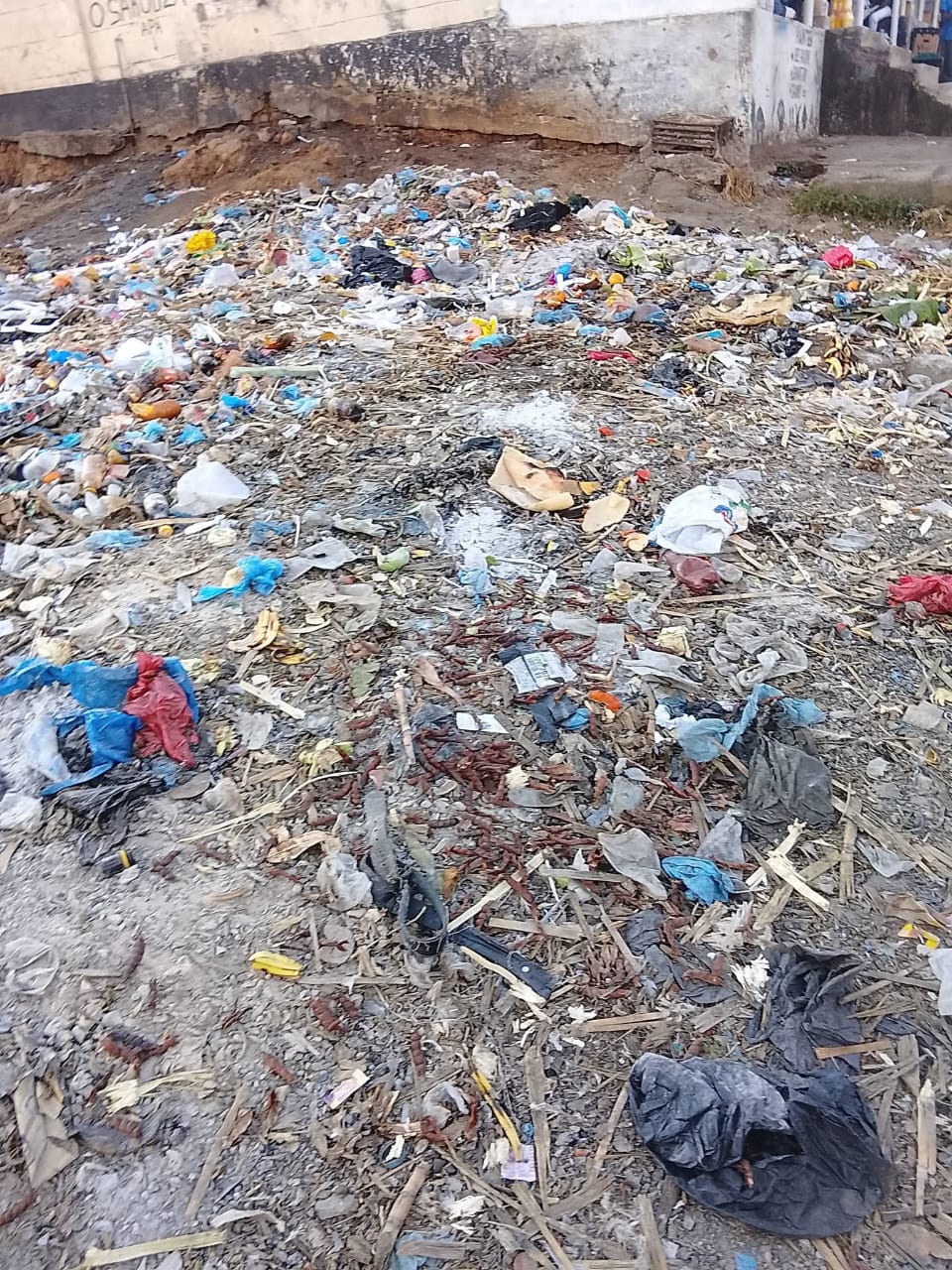
The warning follows concerns over the accumulation of litter and human waste at the market where people sell food, clothes and other goods while minibuses and motorcycles pick up passengers.
Some parts of the area are reportedly being used as open toilets, creating an unpleasant smell that affects traders, commuters and customers.
In an interview with Malawi News Agency (MANA) on Friday, health expert George Jobe, described the situation as a serious public health concern saying the presence of solid waste and human waste creates conditions that can easily facilitate disease transmission.
“The accumulation of solid waste, coupled with reports that the area is being used as an open toilet, creates an environment that can easily facilitate the spread of disease and other sanitation related infections,” he said.
Jobe noted that the situation is worrying because food is sold and consumed in the area, increasing the risk of contamination through flies and other disease-carrying vectors that can move from waste to food products.

He said the conditions are contrary to the objectives of the Executive Order No. 2 on Public Health, Hygiene and Sanitation, which calls on all stakeholders to maintain clean environments and take proactive measures to prevent disease outbreaks.
“Poor sanitation affects not only physical health but also environmental quality, human dignity and economic productivity, with vulnerable groups such as children, pregnant women and older people facing greater health risks,” he added.
He emphasised that sanitation should be treated as a public health priority; saying investing in clean environments is one of the most effective ways of preventing disease outbreaks and protecting communities.
Jobe has since called for collaboration among Blantyre City Council, market authorities, traders, transport operators and community members to ensure the provision of adequate public toilets, hand washing facilities and waste bins, as well as regular garbage collection services, emphasising the need for intensified public awareness campaigns on proper hygiene practices and waste management to help prevent disease outbreaks.
One of the traders around the area, Esther Gali, said the presence of litter and human waste is creating an unhygienic environment that poses risk to the health of traders and customers while also affecting business.
“The situation is worrying because people sell and buy food here every day. The litter and human waste can easily spread diseases if nothing is done to improve sanitation. The smell is also discouraging customers from buying from us which is affecting our businesses,” she said.