
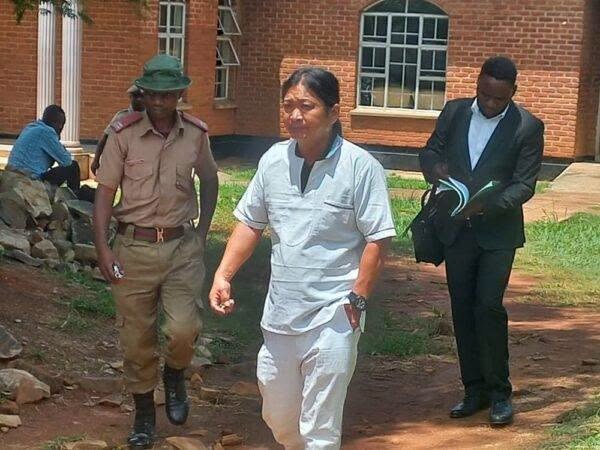


The Director of Public Prosecutions (DPP) has discontinued criminal proceedings against convicted Chinese wildlife trafficker Lin Yunhua, resulting in his immediate release from Dedza Medium Security Prison.
The move comes less than a week after High Court Justice Redson Kapindu rejected Lin’s bail application on September 16, 2026, ruling that he remained a serious flight risk.
The DPP filed the notice of discontinuance on Friday, September 18, 2026, terminating the case in which Lin was accused of offering K30 million and the completion of a house to prison officials to buy his freedom.
The sudden decision to drop the charges has drawn strong and opposing reactions from civil society organizations and human rights advocates across Malawi.
Reacting to the development, environmental activist Mathews Malata expressed deep concern over the State’s decision, warning that dropping the charges undermines ongoing efforts to combat organized crime and damages the country’s international standing.
Malata emphasized that the discontinuation of such a high-profile case risks alienating key international partners and undermining public trust in local conservation mechanisms.
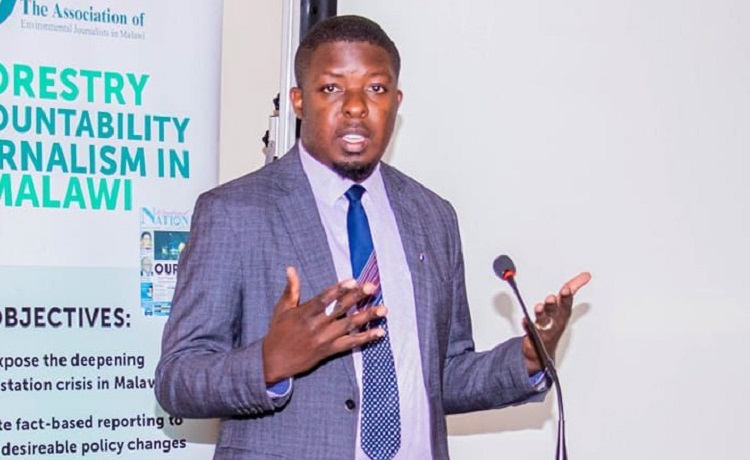
“We should be ready to face the consequences of our decisions. This is a development that will affect investment, as well as the good work that operators in the sector are trying to do. It tarnishes the image of the country.
“It wastes resources provided by our development partners, as well as government efforts aimed at strengthening local capacity to protect wildlife in the country. Therefore, we should be ready to face the consequences of our decisions,” said Malata.
Malata further said plans are underway to engage relevant authorities, demand public accountability, and mobilize public support to challenge the discontinuation of the case.
According to Malata, the development is a major setback for wildlife conservation and judicial integrity, confirming that stakeholder consultations are currently taking place to determine the official legal and public response.
“We are consulting on the next course of action to take,” Malata stated regarding potential proceedings or action against the DPP’s office and the courts.
Meanwhile, Human Rights Consultative Committee (HRCC) Board Chairperson Robert Mkwezalamba presented a contrasting perspective, arguing that the public outrage stems from a lack of complete information regarding Lin’s legal status and sentencing history.
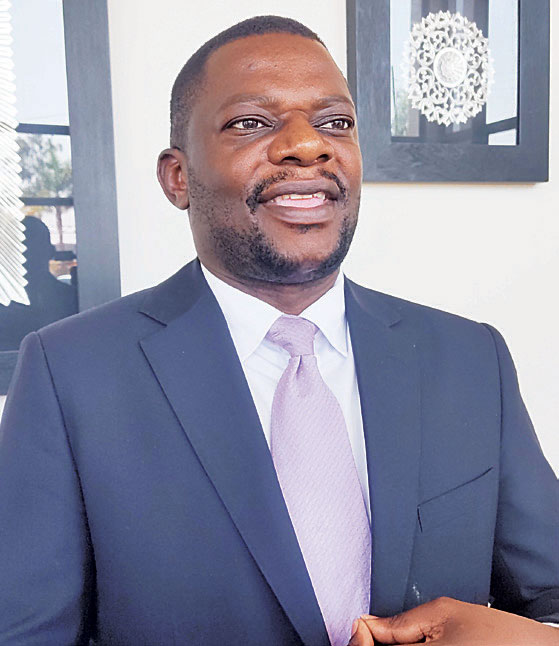
Mkwezalamba maintained that Lin had already completed his original sentence for wildlife offenses through standard legal remissions and claimed that the subsequent corruption charges were driven by individuals seeking to avoid financial obligations owed to Lin.
“The discontinuance, in our view, is in the right direction. The unfortunate part is that the public is not privy to the general information surrounding the matter. Our finding is that there were people who had an interest in keeping him detained. He had been very generous to various people, and those who owed him resources and other things did not want him to get out.
“That is why they were putting pressure on the authorities to keep him behind bars because they were not ready to repay what they owed him. So, this cannot simply be considered in that context. I think there were reasons based on the law and the agreements that had been entered into with him,” Mkwezalamba explained.
Lin Yunhua was first arrested in 2019 as part of a crackdown on a major international wildlife trafficking syndicate operating in Malawi.
He was convicted and sentenced to 14 years in prison for offenses involving government trophies, rhino horns, and money laundering.
While serving his sentence, investigative reports revealed that Lin was frequently allowed outside prison facilities to conduct personal business, leading to an Anti-Corruption Bureau (ACB) investigation and subsequent charges involving the bribery of prison officers.