
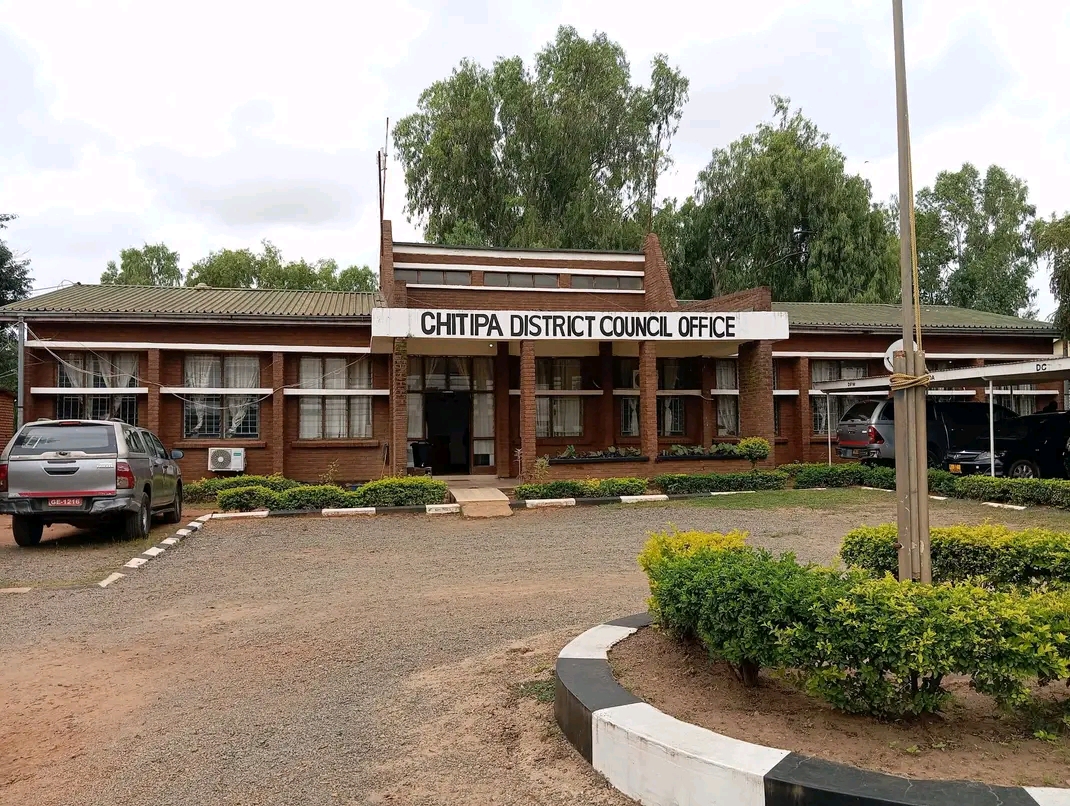

Chitipa, MALAWI – The number of households benefiting from the Social Cash Transfer Programme (SCTP) in Chitipa is set to fall by about 72 percent, from 5,555 to 1,584, following a reduction in funding for the programme.
The reduction was announced during a Chitipa District Full Council meeting where government officials introduced the Social Cash Transfer Reform Programme.
Natasha Mtika, Chief Officer for Social Cash Transfer in the Ministry of Gender, said the reforms have been prompted by a decline in financial support from development partners, including the World Bank, European Union and Irish Aid.
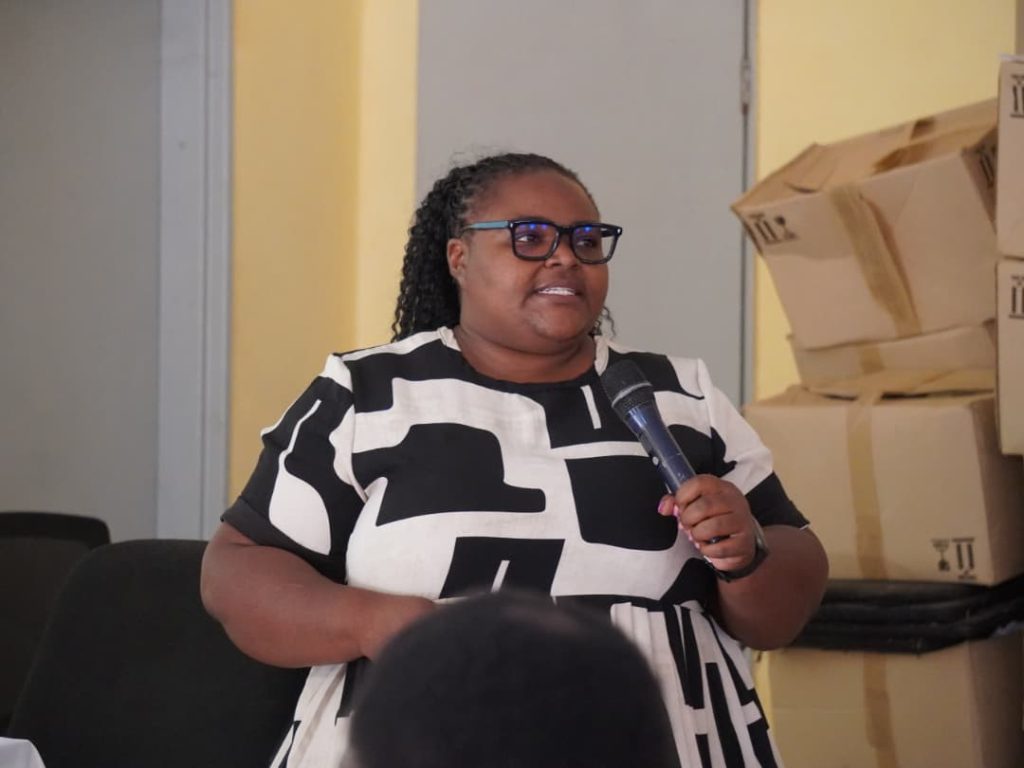
According to Mtika, Malawi has experienced about a 50 percent reduction in financial support from its development partners due to the global crisis, forcing government to reduce the number of households it can support through the programme.
“Due to the global crisis, there is about 50 percent reduction in the finances that is provided to Malawi government. So as a government, the new strategy is to reduce the number of households that are benefiting from the social cash transfer program,” said Mtika.
For Chitipa, the decision means 3,971 households will no longer be on the beneficiary list, with only 1,584 households set to remain under the reformed programme.
While fewer households will receive the support, those who remain on the programme will receive a higher monthly payment, which has been increased from K16,380 to K32,000.
Mtika said the increase takes into account inflation and is intended to improve the welfare of households that will remain on the programme during the three-year reform period.
The government will now determine which of the existing beneficiary households will remain on the programme through a re-targeting exercise.
Mtika said the exercise will prioritise households with an elderly member, child-headed households, households headed by a person with a chronic illness and households with a member who has a disability.
Households meeting at least one of the criteria will then be assessed using a weighting system to determine the final 1,584 beneficiaries.
“Those households that are meeting any one of these criteria are the ones which are eligible. Among the eligible households, we will also have some weights applied to these households to select the 1,584 households,” she said.
The changes have attracted support from Senior Chief Nthalire, who said he would sensitise his subjects to help them understand the new arrangements.