
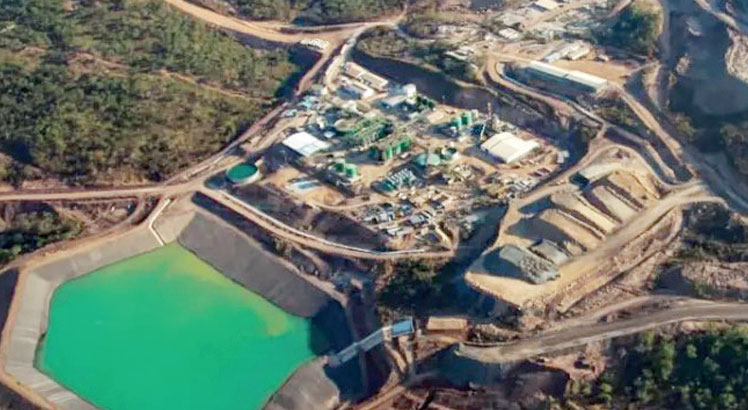

Mzuzu, MALAWI – Stakeholders in the mining sector have asked government to put up proper guidelines to help mining institutions in the country to ably transition from only extracting to self-processing as required by a presidential directive which restrict exportation of unprocessed minerals from Malawi.
The call was made in Mzuzu on Wednesday during a stakeholder consultation meeting by Ministry of Mining aimed at soliciting views ahead of finalisation of Value Addition Regulations and proposed amendment of the Mines and Minerals Act of 2023.
John Mwenelupembe, a Geological Superintendent with Lotus Resources Limited, operators of Kayekera Mine in Karonga District, noted that while the directive works in the best interest of the mining sector and Malawians at large, there is need for government to put up proper regulations and guidelines for the value addition process in mining.
He argued that as it stands now, most mining institutions do not have equipment and technical expertise to enable them in processing the minerals they mine.
“For example, in our case, we require machinery to process uranium we mine. We also need to set up environmental safeguards before processing can begin,” he said.

Nonetheless, Mwenelupembe appreciated government for the move which he said will boost the mining industry and enable birth of many mining related companies which will lead to creation of job opportunities.
“As it is the case now, most technical positions in the industry are occupied by expatriates because we have very few experts; even for those available, they have no technical experience for extensive mining.
“If these guidelines can be put in place, they will create opportunities for growth for these people as well as provide an opportunity for institutions of higher learning to expand their training reach,” he said.
Vice Chaiperson for Malawi Women In Mining, Jasinta Jere concurred with Mwenelupembe and urged the ministry to take seriously suggestions and recommendations provided by the stakeholder.
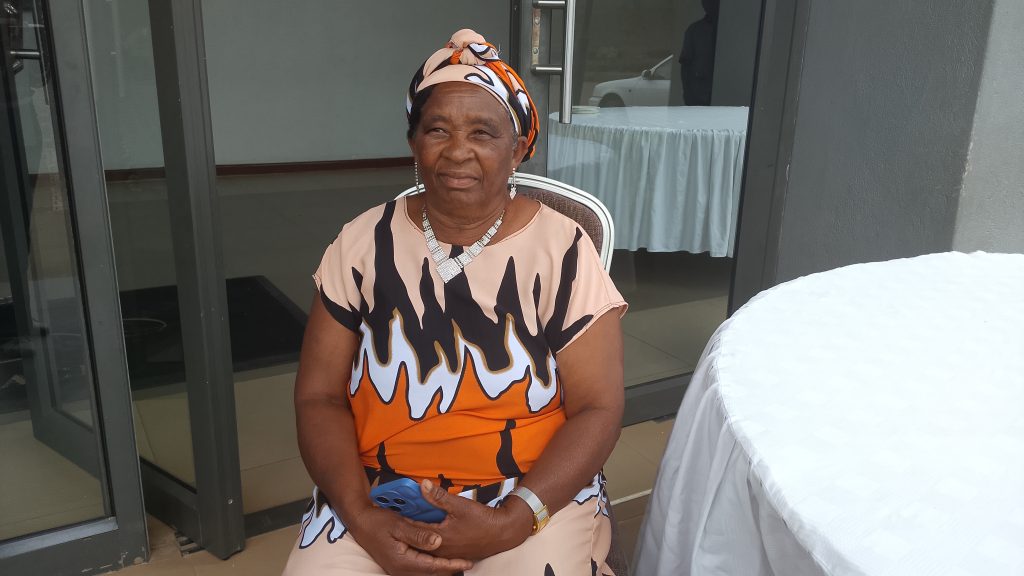
“As small scale miners, we are honoured to have been considered to be part of these consultation meetings. We hope that whatever suggestions we have put up, will be incorporated as the regulations and the act are being put up.
“There are some propositions like change in license period; we are glad that before incorporating them, the ministry has come to seek our views first,” she said.
Opening the review session at Grand Palace Hotel, Bannet Msika, Director of Mines in the Ministry of Mining said the consultations are part of the ministry’s way of encouraging collective governance as it can not implement changes to its regulations without getting views form its key stakeholders.
“There are a lot of adjustments being proposed from the current Mines and Minerals Act of 2023, but amongst them is a proposition to adjust mining license periods so that we align with other countries within the region.
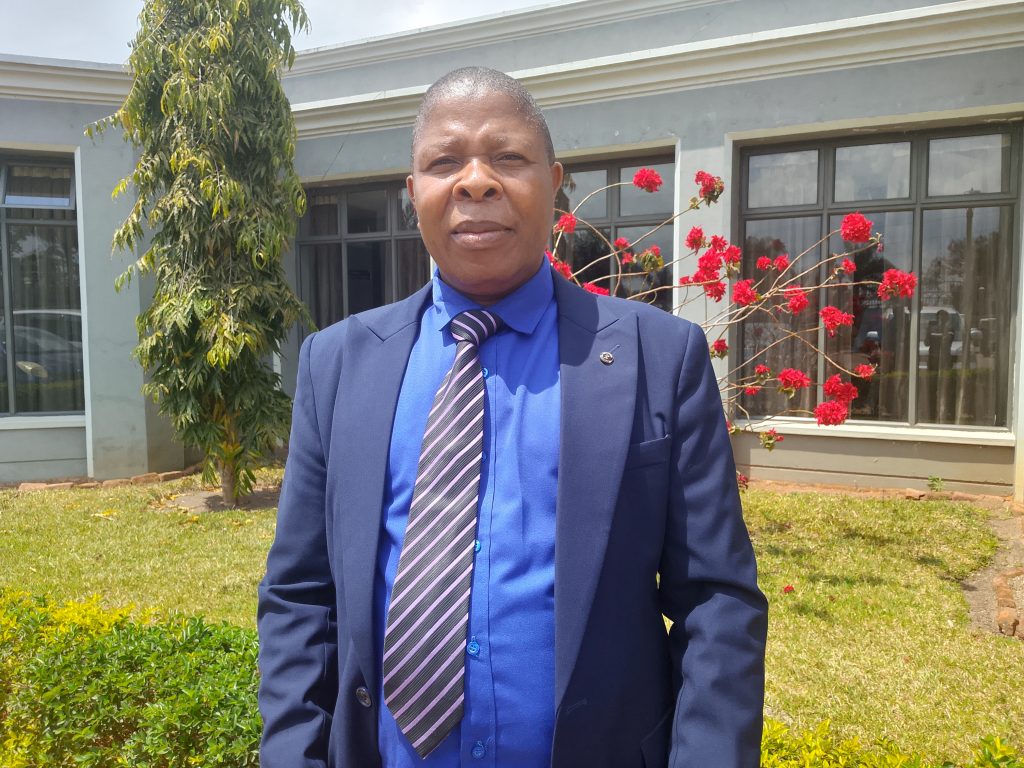
“Also we are working on development of Value Addition and Processing regulations so that operators can ably adhere to requirements of the presidential order,” said Msika.
On 21st October, 2025, President Peter Mutharika issued a presidential order prohibiting exportation of raw minerals from Malawi with exemption on minerals that have been processed, refined, or value added in Malawi in accordance with the laws and regulations governing the mining sector.
According to the order, the prohibition applies to all minerals extracted in Malawi including, but not limited to Uranium, Rare Earth Elements, Niobium, Graphite, Tantalum, Bauxite, Coal, Limestone, Gemstones, Heavy Mineral Sands, Vermiculite, Prosphate, Pyriterutile, Gold, Diamonds, Copper, etc.